CELL STRUCTURE AND ORGANIZATION
The Concept of Cell
The Meaning of the Cell
Explain the meaning of the cell
Plants and animals are made up of units called cells. The cells are microscopic in such a way that they cannot be seen by our naked eyes. Some organisms like protozoa, diatoms and bacteria consist of one cell and are called single-celled or unicellular organisms. Some are made up of many cells and are called multicellular organisms.
The cell structure of living things was first seen by Robert Hooke in 1667 when he examined fine slices of cork. Robert Hooke believed that the cells were empty and that the cell wall and cell membrane were the most important parts of the cell but now cell contents are seen to be the most important ones. Therefore a cell can be defined as the smallest unit of living things or a cell is a basic unit of life.
The Characteristics of the Cell
Mention the characteristics of the cell
Characteristics of the cell include the following:
- Cells are small microscopic structures which cannot be seen by our naked eyes.
- Cells are capable of dividing by mitotic process or meiotic process.
- Cells contain structures called organelles.
The cell theory
- A cell is a basic unit of structure and function in living organisms.
- New cells only come from pre-existing ones.
- Cells contain structures called organelles.
The cell theories were proposed jointly by two scientists namely Schleiden, a Belgian botanist, in 1838 and Schwann, German Zoologist, in 1839
Difference Between Various Types of Cells
Differentiate various types of cells
PROKARYOTIC AND EUKARYOTIC CELLS
Prokaryotic cells are cells with no membrane-bound nucleus. The DNA lies free in the cytoplasm in a region known as nucleoid. They have no true nuclei. Examples of prokaryotic organisms are bacteria.
Eukaryotic cells are cells whose nuclei are bounded by nuclear membrane. They are surrounded by two nuclear membranes called nuclear envelope. Examples of eukaryotic organisms are protoctists, fungi, plants and animal cells.
Differences between cell wall and cell membrane
| Cell wall | Cell membrane |
| It is a non–living structure | It is a living structure |
| It is made up of cellulose | It is made up of lipoprotein |
| It is freely permeable | It is selectively permeable |
Different between prokaryotic and Eukaryotic cells
| Eukaryotic cells | Prokaryotic cell |
| They have nuclear membrane | Lack nuclear membrane |
| Organelles are surrounded by envelopes | Organelles are not surrounded by envelopes |
| Have true nucleus | Have no true nucleus |
The Functions of Different Parts of Plant and Animal Cells
Explain the functions of different parts of plant and animal cells
Basically a cell has three main parts
- Cell membrane
- Cytoplasm
- Nucleus
Cell membrane (plasmalemma)
This is a thin flexible membrane made of protein and oil. It has the following functions:
- The cell membrane encloses the contents of the cell.
- It is freely permeable to water and gases only and selectively permeable to other molecules e.g. it allows food in but keeps unwanted molecules out. Thus cell the membrane controls the substances entering and leaving the cell.
Cytoplasm
Cytoplasm is a transparent jelly-like fluid and may contain particles such chloroplasts or starch grains or oil droplets. It contains up to 80% water and the remainder is mainly protein. It is a place where chemical reactions take place
Nucleus
A nucleus is a ball-shaped or oval body located inside the cytoplasm. It cannot usually be seen unless the cell has been stained with certain dyes. It consists of nucleoplasm bounded by nuclear membrane. The nucleus is a cell control centre.
The following are the functions of the nucleus:
- It controls the formation and development of a cell.
- The nucleus also controls chemicals which the cell manufactures.
- The nucleus contain chromosomes which carry genetic material i.e. DNA which is responsible for controlling genetic information.
Cell wall
The cell wall is only found in plant cells. It is made up of cellulose. When the cell is growing the cell wall is fairy plastic and extensible. It becomes tough and resists stretching when the cell has reached full size. The cell wall is non-living. It has the following functions:
- It gives the cell its shape.
- It is freely permeable to all kinds of molecules.
- It supports and protects the cell.
- It supports non-woody plant organs, such as leaves, by turgor pressure.
- It osmoregulates by resisting entry of excess water into cell.
Vacuole
In animal cells, vacuoles are small droplets of fluid in the cytoplasm variable in size and position. In plant cells, the vacuole is a large, permanent fluid-filled cavity which occupies a greater part of the cell. In plants, the fluid is called cell sap. The cell sap may contain salts, sugar and pigments dissolved in water.
The vacuole performs the following functions:
- It is responsible for food storage and osmoregulation.
- The outward pressure of the vacuole on the cell wall makes the plant cells firm, giving strength and resilience to the tissues.
Mitochondria
Mitochondria are found in all aerobic eukaryotic cells. A mitochondrion is surrounded by an envelope of two membranes, the inner being folded to form cristae (singular: crista) It contains a matrix with a few ribosomes, a circular DNA molecule and phosphate granules.
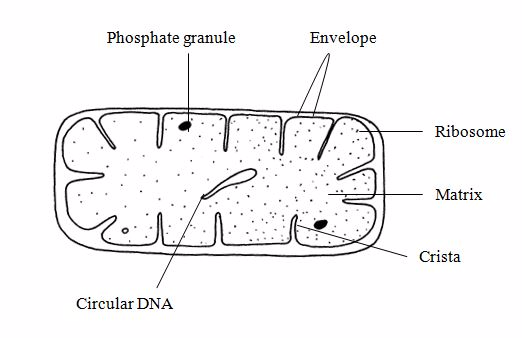
Mitochondrion
A mitochondrion is a power house of a cell. It contains respiratory enzymes involved in respiration. It absorbs oxygen and glucose. The glucose is broken down to CO2 and H2O. Energy is released from glucose bonds to form ATPs (for use in other vital functions e.g. growth, movement, etc.
Chloroplast
Chloroplasts are disc-shaped organelles. They are found in plant cells and algae cells. A chloroplast contains a green substance called chlorophyll. It is surrounded by an envelope of two membranes and contains gel-like stroma through which runs a system of membranes that are stacked in places to form grana.
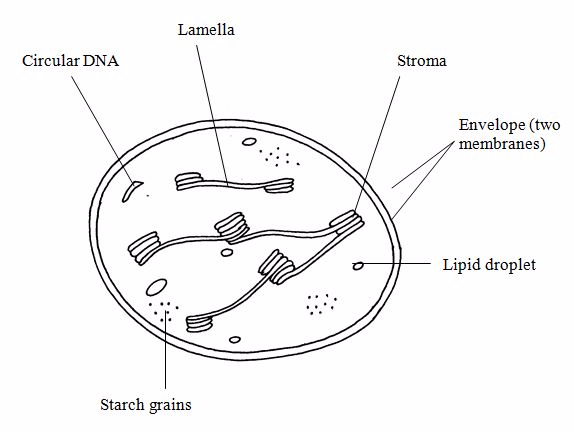
Chloroplast
Chloroplast is an organelle in which photosynthesis takes place, producing sugars from carbon dioxide and water using light energy trapped by chlorophyll.
Golgi body
Golgi bodies are stacks of flattened, membrane-bound sacs
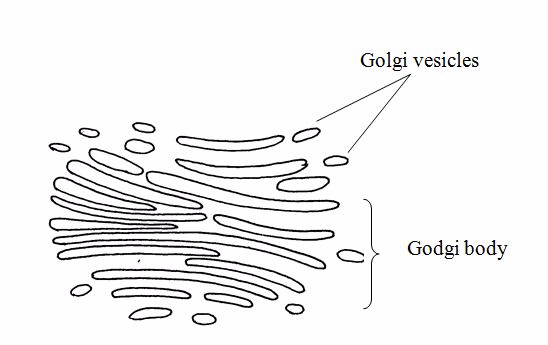
Golgi bodies have the following functions:
- Golgi bodies are responsible for internal processing and transport system.
- Processing of many cell materials e.g. protein takes place in the cisternae.
- Godgi vesicles transport the materials to the other parts of the cell
Plant and Animal Cell
Draw and label plant and animal cell
Animal cell
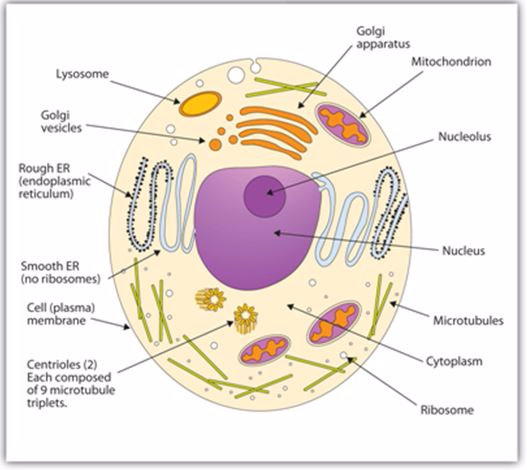
Plant cell
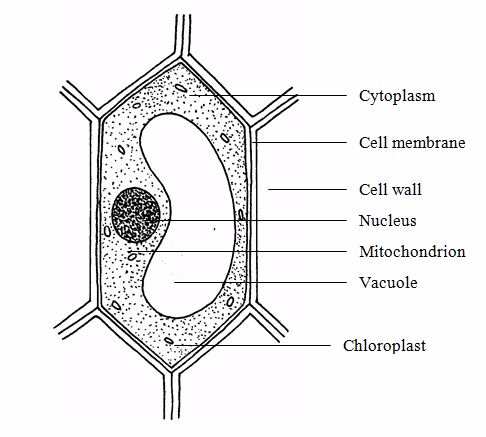
Similarities and Differences of Plant and Animal Cells
Outline similarities and differences of plant and animal cells
Differences between plant cell and animal cells
| PLANT CELL | ANIMAL CELL |
| (i) Have definite shape | Have no definite shape |
| (ii) Have chloroplasts | Have no chloroplasts |
| (iii)Have large permanent vacuoles | Have small temporary vacuoles |
| (iv) Centrioles usually absent | Centrioles present |
| (v) Have cell wall made of cellulose | Have no cell wall |
| (vi) The nucleus is located at the periphery | The nucleus is centrally located |
Similarities between animal cell and plant cells
- Both have cell membranes
- Both contain cytoplasm
- Both have nucleus
- Both have mitochondria
- Both have golgi bodies
- Both have ribosomes
Cell Differentiation
The Concept of Cell Differentiation
Explain the concept of cell differentiation
When most cells have finished dividing they become specialized. This means that:
- They do one particular job
- They develop a distinct shape
- Special kinds of chemical change take place in their cytoplasm
The changes in shape and chemical reactions enable the cell to carry out its special function. The process by which cells are specialized to perform a particular function is called cell differentiation or ‘division of labour’ within the organism. Similarly, the special functions of mitochondria, ribosomes and other cell organelles may be termed as division of labour within the cell.
The Importance of Cell Differentiation and Formation of Tissues, Organs and Body Systems
Outline the importance of cell differentiation and formation of tissues, organs and body systems
Humans have many different types ofcellswith different jobs, such as bloodcellsthat carry oxygen and nervecellsthat transmit signals to all parts of the body.Cell differentiationis the process by whichcellsbecome specialized in order to perform different functions.
Even multicellular organisms begin as just a single cell. Getting from one single cell to billions of specialized cells that perform different functions is a process that happens with the regulation of DNA and RNA. It can also be influenced by factors in the environment.
Cell differentiation holds a lot of importance for two basic reasons. Firstly, it helps to identify stem cells, which could be used in the future to deal with conditions that require transplant and form the basis of embryonic stem cell research. Also, in cytopathology, the level of cellular differentiation is used as a measure of cancer progression, where the term 'grade' is used as a marker to determine how differentiated a cell in a tumor is. Thus, the importance of this process cannot be underestimated as it could hold the key to future treatments for fatal diseases.
Difference between Cells, Tissues Organs and Body Systems
Differentiate cells, tissues organs and body systems
Animal cells
Nerve cells
These are specialized for conducting impulses of an electrical nature along the fibre. The fibre may be very long e.g. from the foot to the spinal column. They are the longest cells known.
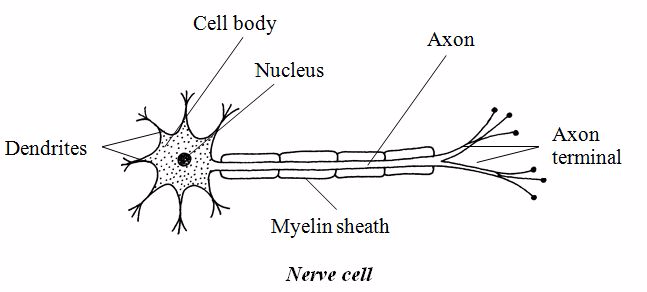
Nerve cell
Blood cells
- White blood cells:These cells occur in blood stream and are specialized for engulfing harmful bacteria. They are able to change their shapes and move about, even through the walls of blood vessels into the surrounding tissue.
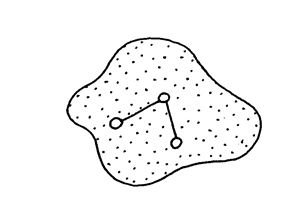
White blood cell
- Red blood cells:These cells are responsible for transportation of oxygen from the lungs to all parts of the body.
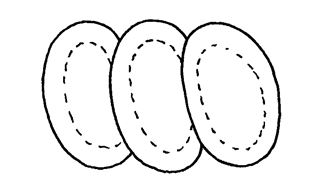
Red blood cells
- Platelet cells: Platelet cells are found in the blood. They are also called blood platelets. Their function is to help clot the blood at wounds and so stop bleeding.
Reproductive cells
- Sperm cell: it is a male gamete produced in the testes.

Sperm cell
- Egg cell:It is a female gamete produced in the ovary.
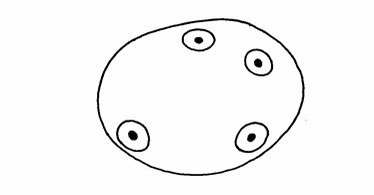
Egg cell
Muscle cells
These are elongated cells which form the muscle tissues. Muscle cells are highly specialized in that they are able to shorten a half or even a third of their resting lengths. This characteristic enables the muscles to contract and expand.
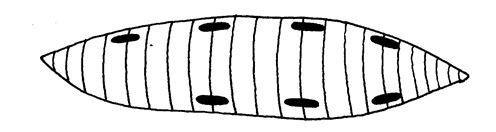
Muscle cell
Ciliated cells
These cells form the lining of the nose and wind pipe.
Plant cells
Root hair cells
These cells form the outer layer of young roots. The cells are specialized to absorb water and mineral slats from the soil. The hair-like projections penetrate the soil particles and offer a large absorbing surface.
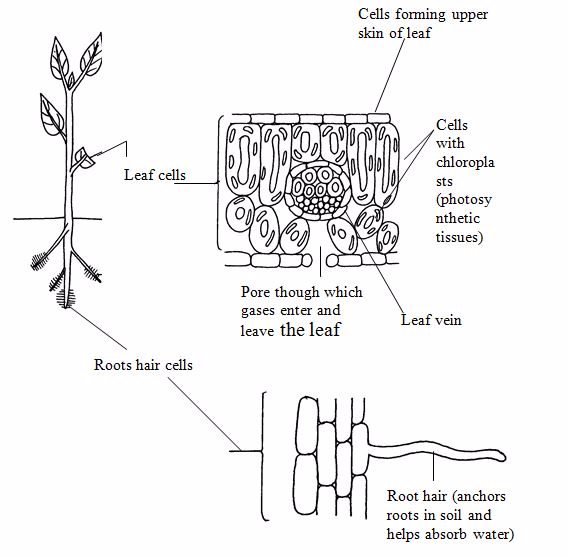
Phloem cells
These are food conducting cells in a plant, joined end to end, and where they meet, perforations occur in the walls. Through these holes, the cytoplasm of one cell communicates with the next.
Xylem cells
The cells conduct water and mineral salts form the soil to all parts of the plant. They are also responsible for mechanical support.
- Parenchyma cells
- Collenchyma cells
- Sclerenchyma cells
- Epidermal cells
TISSUES
A tissue is a group or collection of similar cells performing a specific function. Tissues vary in size, shape and function.
Examples of tissues
Animal tissues
Animal tissues include epithelial tissue, muscle tissue, nervous tissue, blood tissue and bony tissue.
Epithelial tissue:Epithelial tissues cover the body lining cavities, hollow organs and tubes. They are responsible for(i) protection of the underlying structure from dehydration, and chemical and mechanical damages;(ii) secretion; and(iii) absorption.
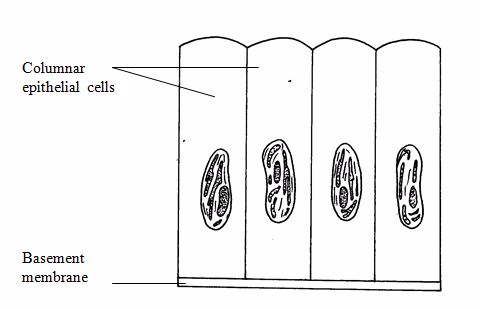
Columnar epithelium
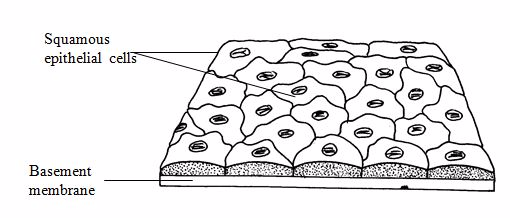
Squamous epithelium
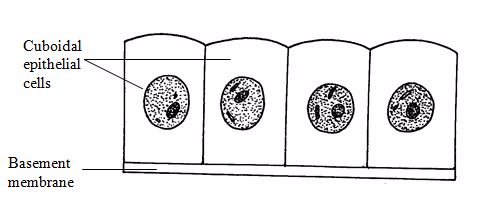
Cuboidal epithelium
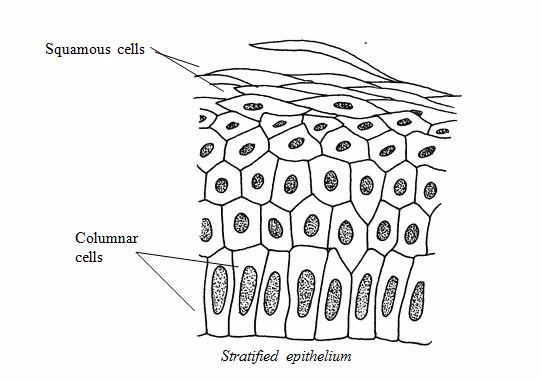
Stratified epithelium
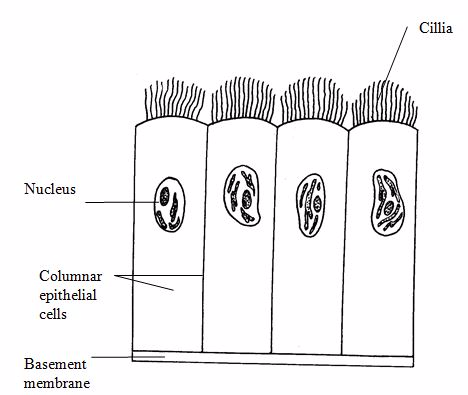
Cliated columnar
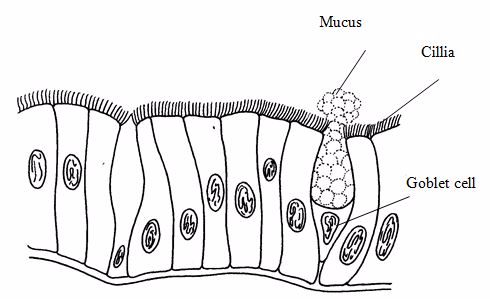
Cilliated columnar epithelium with goblet cells
Muscle tissue
Muscle tissue consists of cells specialized to contract and move the body. Muscle tissues can be:
- skeletal muscle tissue;
- smooth muscle tissue; or
- cardiac muscle tissue.
Skeletal muscle tissues form those muscles that move the bones
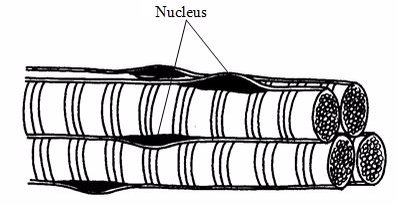
Skeletal muscle fibres
Smooth muscle tissues
These are found in the walls of hollow organs. They perform the following functions:
- Regulate the diameter of blood vessels and parts of the respiratory tract.
- Propel the contents of the ureters, ducts of glands and alimentary tract.
- Expel contents of the urinary bladder and uterus.
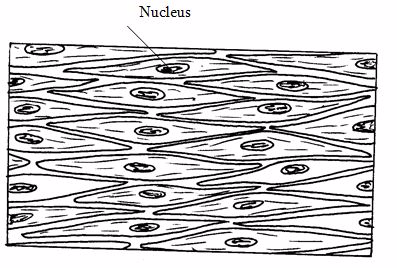
Smooth muscle fibres
Cardiac muscle tissue
This kind of muscle tissue is found only in the heart wall. It helps in contracting and relaxing of heart muscles thus pumping the blood to various body parts.

Cardiac muscle fibres
Nervous tissues
Nervous tissues have endings that detect changes in the environment. They transmit and conduct nerve impulses to the brain and spinal cord and to the effector organs.
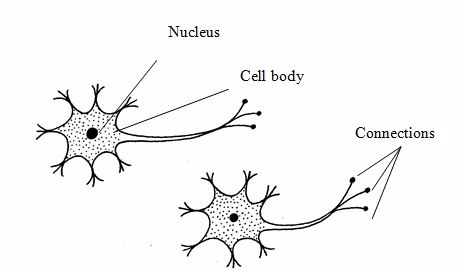
Plant tissues
Examples of plant tissues are collenchyma tissue, sclerenchyma tissue, epidermal tissue, conducting tissues e.g. phloem and xylem, palisade tissue and spongy tissue.
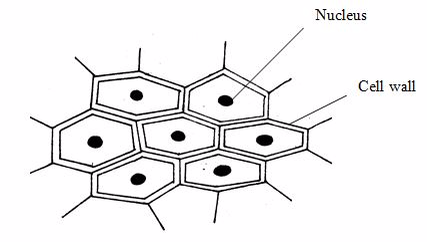
An onion epidermal tissue
ORGANS
An organ is a collection of tissues working together to perform a certain function
Animal organs
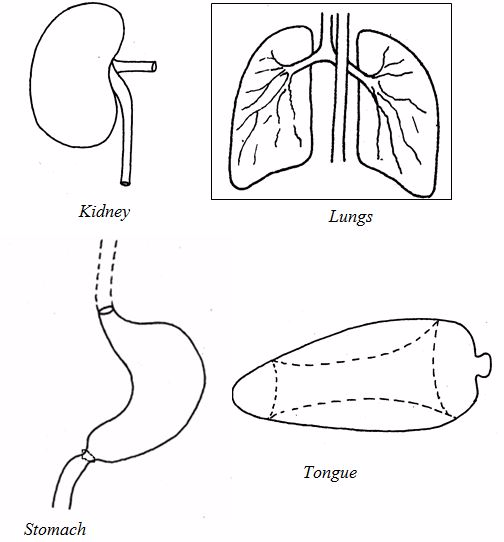
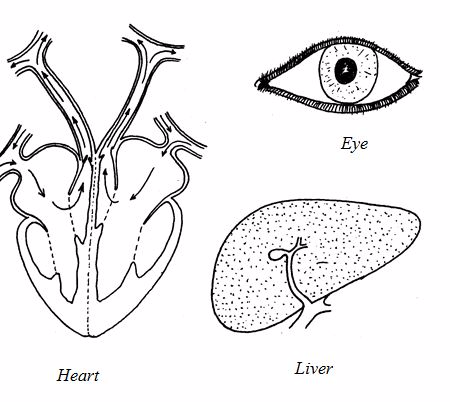
Other examples of animal organs include skin, testes, ears, noses and the brain.
Plant organs
Examples of plant organs include leaves, stems, roots, flowers and fruits.
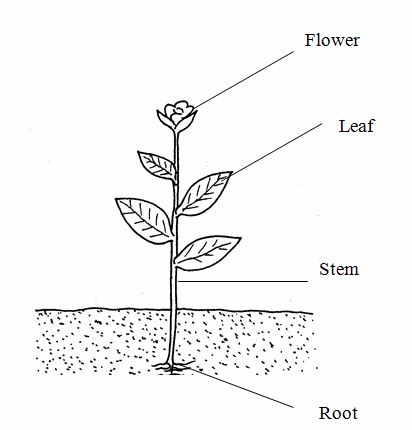
Plant organs
Organ system
A system refers to several inter-related organs performing a particular function.
Digestive system
The main organs that make up the digestive system are alimentary canal, liver and pancreas.The main function of this system is to digest and absorb food.
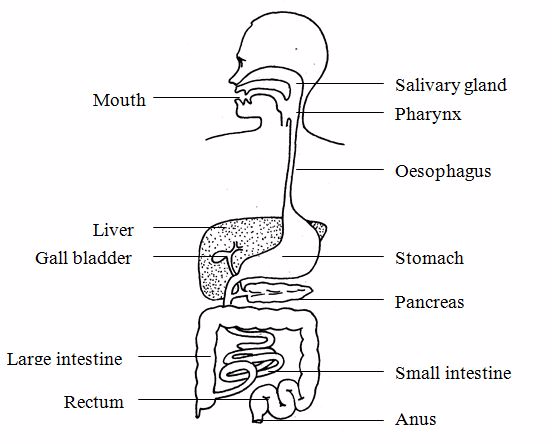
The digestive system
Circulatory system
This system consists of the heart, arteries and veins.The role of the circulatory system is to transport gases, food, hormones and distribute heat.
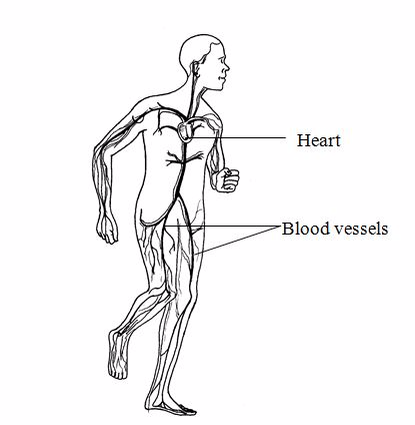
The circulatory system
Lymphatic system
Lymphatic system has comprises of the lymph vessels and lymph nodes. The main function of the lymphatic system is to transport materials and protect against.
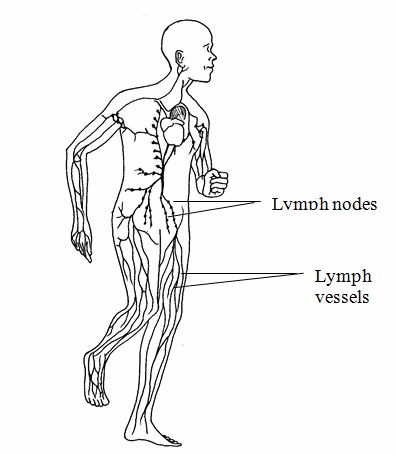
Lymphatic system
Respiratory system
The respiratory system consists of the trachea and the lungs. The role of the respiratory system is to take in oxygen and expel carbon dioxide gas.
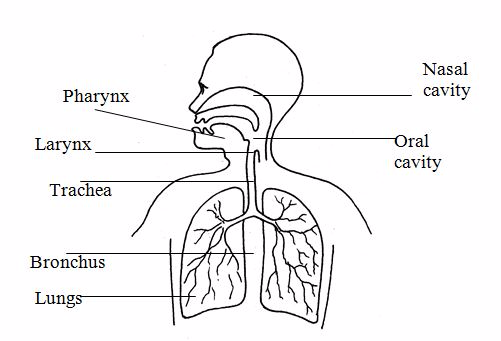
The respiratory system
The urinary system
The main organs of the urinary system are kidneys, ureter, bladder and urethra.The urinary system plays a role in removing metabolic waste products from the body and also it is responsible for osmoregulation.

The urinary system
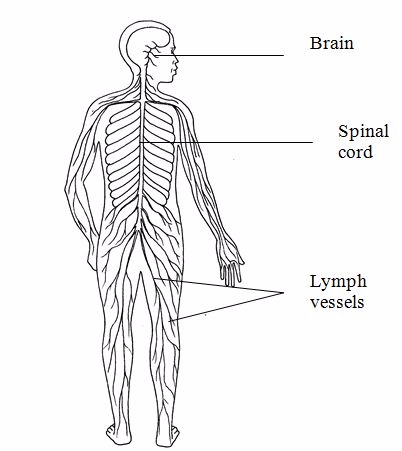
The nervous system
This system consists of the brain, spinal cord and nerves.The role of the nervous system is to detect and respond to stimuli.
Muscular system
The muscular system
It consists of the organs muscles and tendons. The role of the muscular system is to bring about movement.
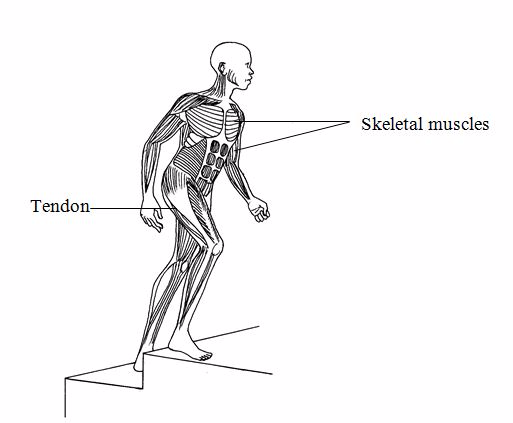
The skeletal muscles
The reproductive system
It consists of the ovaries, testes and uterus. Its role is to produce offspring.

Male reproductive system
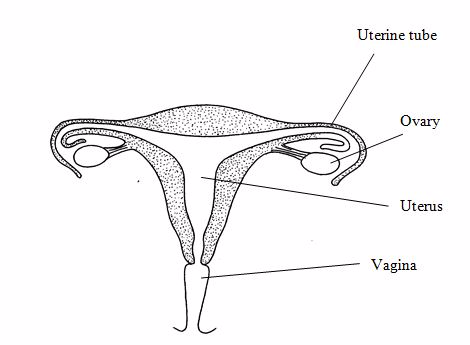
Female reproductive system
Endocrine system
It consists of endocrine glands. Its role is to produce hormones.
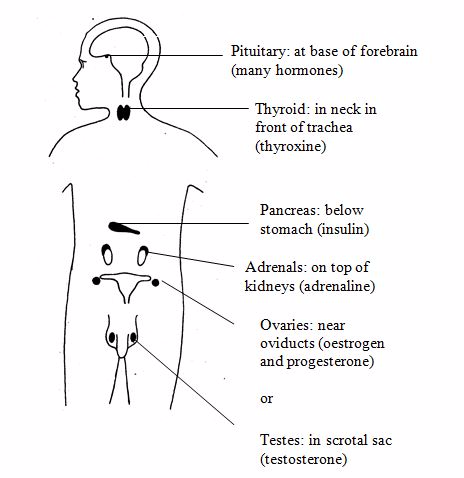
Endocrine system
Skeletal system
It consists of a system of skeletons. Its function is to support the body, protect internal organs and produce blood cells.

Skeletal system
Examples of organ system in plants
Root system –consists of roots
Function:
- Holds the plant firmly into the soil
- Absorption of water and mineral salts from the soil
- Sometimes they act as storage organs in some plants
Shoot system – consists of the organs flowers, fruits, stem and leaves
Function
- Site of reproduction
- Transport of substances
- Photosynthesis occurs in the shoot
- Transpiration processes.
Thanks for reading!
